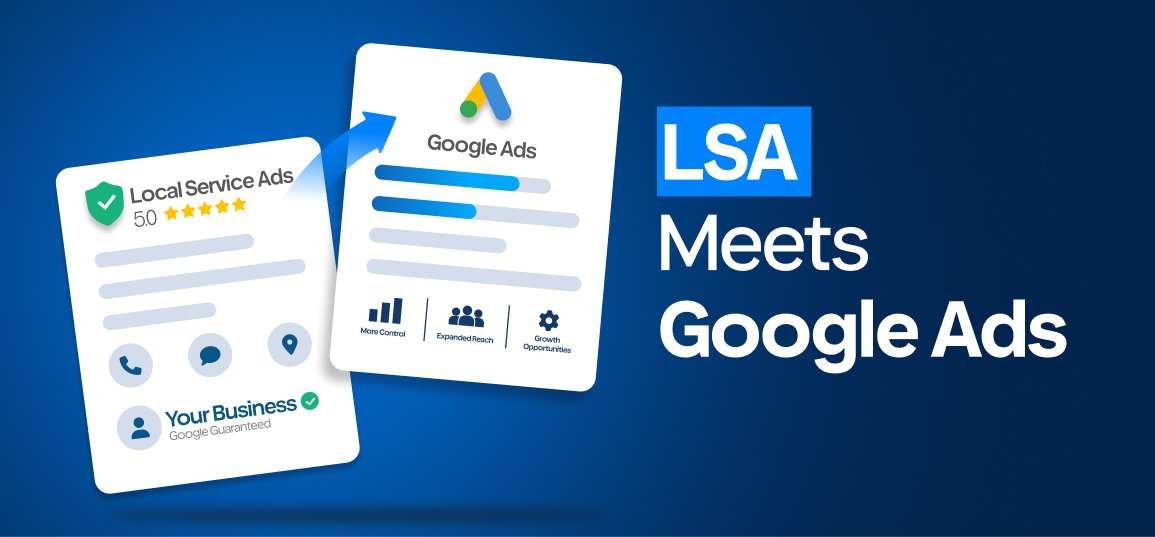












Eligible healthcare clinics should consider Local Services Ads as a controlled test, not an automatic replacement for Google Search campaigns. LSAs can appear prominently, charge for leads rather than clicks, and let prospects contact a selected provider profile. But category availability, verification, service settings, response operations, and patient economics determine whether that visibility becomes booked and attended appointments.
The right sequence is eligibility, readiness, measurement, then budget. A clinic that launches before the front desk can respond, before services are configured accurately, or before lead quality is defined may buy activity without creating usable appointment volume.

How Healthcare LSAs Differ From Search Ads
Search campaigns are built around keywords, ads, landing pages, bidding, and conversion measurement. Local Services Ads rely more heavily on the business profile, eligible category, service and area settings, verification status, reviews, lead management, and budget. Prospects can call or message through the LSA unit. Google notes that booking leads are not available for healthcare verticals, so the clinic still needs a reliable process to turn inquiries into appointments.
That means LSAs and Search can solve different parts of the acquisition problem. Search offers more control over query themes, messaging, landing pages, and service-specific education. LSAs can create a direct provider-selection path for eligible local demand. Running both may expand coverage, but only if the clinic measures duplication and downstream outcomes.
Step 1: Confirm Category and Location Eligibility
Google currently limits LSAs to listed categories and markets. The US eligibility list includes healthcare categories such as primary care physicians, physical therapists, occupational therapists, ophthalmologists, optometrists, orthodontists, orthopedic surgeons, podiatrists, plastic surgeons, veterinarians, and others. Availability can change, so confirm eligibility inside the account rather than assuming that a broad healthcare label is enough.
Choose only services the clinic actually provides and areas it can realistically serve. Google’s LSA settings can include broader category searches, and advertisers can adjust job types and broad search settings. A clinic should review these choices carefully so a general category query does not create inquiries for unavailable services.
Step 2: Prepare for Verification
Healthcare advertisers should plan verification as an operational project, not a last-minute media task. Google states that US healthcare verticals need National Provider Identifier verification before serving LSAs. Other screening requirements can include business, insurance, and licensing information depending on the category and location. Names and records should match across the business profile and submitted documentation.
Google also notes that pre-badge ads are not available for healthcare verticals. In practice, that makes complete onboarding more important before the clinic expects lead flow. Assign an owner, gather the correct documents, and resolve profile inconsistencies before setting launch dates.

Step 3: Decide What Counts as a Good Lead
A lead is not valuable merely because the person called. Define the right service, location, payer or payment fit where appropriate, appointment availability, new-patient status, and clinical routing requirements without collecting unnecessary sensitive details in marketing systems. The clinic should also define duplicate, wrong-service, spam, existing-patient, and unserviceable inquiries.
Track at least valid lead rate, contact rate, scheduled appointment rate, attended appointment rate, and estimated patient value. Keep marketing measurement separated from clinical records and follow applicable privacy, consent, and platform requirements. The objective is a useful operational scorecard, not a shadow patient record.
Step 4: Fix the Response Path Before Buying More Leads
LSA visibility cannot compensate for missed calls, confusing routing, or delayed responses. Confirm who answers during business hours, how after-hours inquiries are handled, what happens when a service is unavailable, and how quickly messages receive a response. Google indicates that regularly failing to answer calls or respond to messages may affect ad ranking.
Give the front desk a short intake path tailored to the promoted services. Use approved language, document outcomes consistently, and make escalation rules clear. A smaller volume of well-handled leads will usually teach the business more than a large launch that overwhelms staff.
Step 5: Test LSAs Alongside Search
Start with a bounded budget and a small set of commercially important services. Keep the existing Search campaign stable enough to observe how total inquiry volume changes. Compare cost per valid lead, scheduled appointment, attended appointment, and new patient. Watch whether LSA growth is incremental or simply shifting credit from another channel.
Do not judge the test by platform lead cost alone. Search may produce fewer but better-informed prospects because a landing page explains the service. LSAs may produce a more direct call path. The clinic needs to know which route creates appointments that fit its capacity and economics.
A Practical Go/No-Go Checklist
A clinic is ready to test when its category and market are eligible; the Google Business Profile is accurate; NPI and other verification information are prepared; services and areas are clearly defined; reviews and profile information are current; calls and messages have an owner; outcomes can be tracked to attended appointments; privacy boundaries are documented; and the test budget will not disrupt proven acquisition channels.
If several of those elements are missing, fix the operating system first. For a structured review of eligibility, channel fit, tracking, and response capacity, book a growth session with White Shark Media.
Frequently Asked Questions
Do all healthcare clinics qualify for Local Services Ads?
No. Eligibility depends on the service category and location. Confirm current availability in Google’s LSA eligibility flow.
Do US healthcare providers need NPI verification?
Google states that NPI verification is a prerequisite for US healthcare verticals serving Local Services Ads.
Should LSAs replace Google Search Ads?
Usually they should be tested alongside Search first. The channels offer different controls and may attract different inquiry patterns.
What should a clinic measure?
Track valid leads, scheduled appointments, attended appointments, acquisition cost, and patient value while respecting privacy requirements.