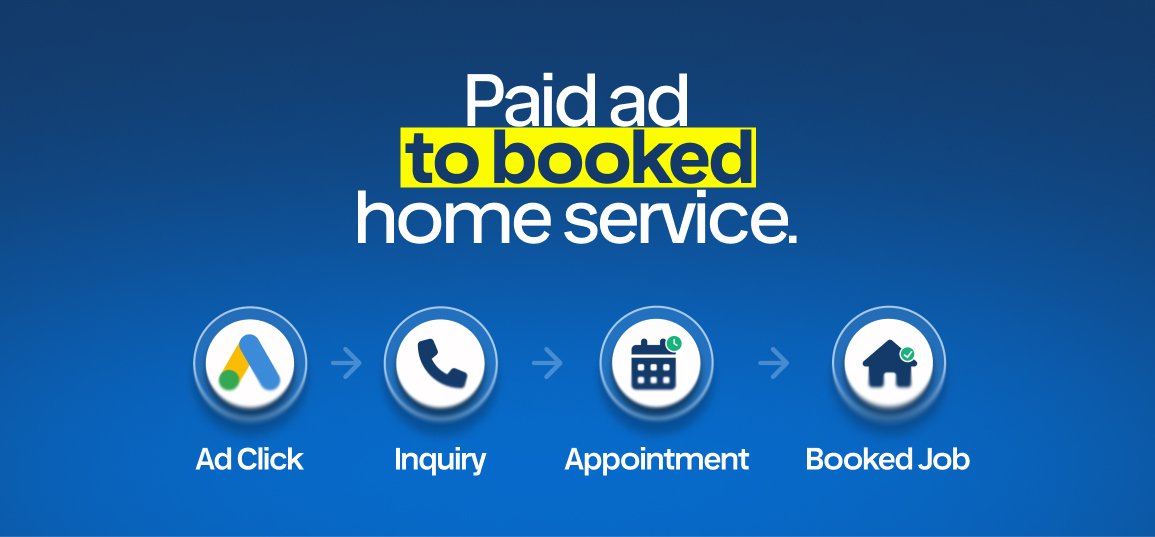












A clinic can report a healthy cost per lead and still have an unprofitable acquisition program. The reason is simple: a form submission is not a patient, and a booked appointment is not an attended visit.
Healthcare marketers should measure the complete path from search to completed appointment. That means separating inquiry, qualification, scheduling, confirmation, attendance, treatment, and new-patient value. Once the clinic can see where people drop out, it can fix the right problem instead of asking advertising to generate more volume into a leaking system.
The Metric That Changes the Conversation
Cost per scheduled appointment answers whether marketing and the front desk can create bookings. Cost per attended new-patient visit answers whether the full system creates real clinical and business value. Both metrics matter, but they should not be confused.
Build a funnel with consistent definitions: lead received, contact made, eligible or qualified, appointment scheduled, appointment confirmed, attended, rescheduled, canceled, no-show, and completed treatment when appropriate. Report the count and conversion rate between each stage. Do not send sensitive health information into advertising platforms; use privacy-reviewed, minimal outcome signals that match applicable policies and regulations.

Why Paid Appointments Become No-Shows
No-shows rarely have a single cause. Some patients forget. Others face transportation, work, caregiving, cost, or anxiety barriers. Some find a provider with earlier availability. Others were never a strong fit for the advertised service. The clinic’s data should distinguish preventable process issues from unavoidable changes.
Scheduling delay deserves close attention. Evidence reviews have repeatedly found an association between longer waiting time and non-attendance in multiple care settings. The operational implication is not that every clinic can offer same-day care. It is that marketing should not create demand for appointment windows the practice cannot serve competitively.
Message continuity matters too. If the ad emphasizes easy online scheduling but the patient waits two days for a callback, the experience breaks. If the landing page omits accepted insurance, referral requirements, location, or expected next steps, the clinic may create bookings that later unravel.
Design a Better Booking Experience
Match the landing page to the service and patient intent. Explain who the service is for, where it is offered, how to request or schedule, what information is needed, and what will happen next. Avoid promises about outcomes or availability that the practice cannot support.
Give staff a short qualification workflow for the advertised service. Confirm the patient’s request, location, scheduling constraints, and administrative requirements without collecting unnecessary information for marketing attribution. When a lead is not eligible, record the reason in a standardized category. Those categories help marketing exclude poor-fit queries and improve page clarity.
Offer a clear rescheduling path. A patient who cannot attend is not necessarily a lost patient. Making cancellation and rescheduling easy can return capacity to the calendar and reduce silent no-shows.
Use Reminders as Part of the Journey
Systematic reviews have found that digital appointment notifications can improve attendance across clinical settings. The useful lesson is not “send more texts.” It is to design a reminder sequence around consent, timing, clarity, and action.
A reminder should identify the practice, state the appointment date and location, explain how to confirm or reschedule, and provide the correct contact path. Keep protected or sensitive details out of unsecured messages. Review the workflow with compliance and operations teams, especially when marketing systems and clinical systems exchange data.
Track confirmation and rescheduling separately. A reminder that turns a likely no-show into an early cancellation still creates value because the clinic may refill the slot.

Close the Loop Without Creating Privacy Risk
Advertising teams do not need a patient chart. They need carefully governed business outcomes. A privacy-reviewed system may pass back a non-sensitive stage or value category tied to an appropriate campaign identifier, depending on the platform, consent, policies, and legal requirements. The exact implementation should be approved by qualified privacy and compliance professionals.
Use the feedback to answer practical questions: Which campaigns create attended visits, not just cheap leads? Which services have the largest schedule-to-attendance gap? Which locations or appointment windows convert best? Which search themes produce ineligible inquiries? Marketing and operations should review these results together.
A Weekly Healthcare Acquisition Review
- Lead quality: Which inquiries were eligible for the advertised service?
- Access: How long did patients wait for first contact and the offered appointment?
- Attendance: What percentage scheduled, confirmed, attended, canceled, rescheduled, or did not show?
- Experience: Did ad, landing page, call handling, and reminder language set consistent expectations?
- Economics: What was the cost per attended new-patient visit and the value of that visit or care episode?
This review turns patient acquisition from a marketing report into a shared growth process.
Optimize for Patients, Not Calendar Events
The strongest healthcare PPC program does not stop at the booking confirmation. It helps the right patient find the right service, receive a clear response, secure a realistic appointment, and arrive prepared.
White Shark Media’s healthcare PPC guidance emphasizes local intent, relevant messages, and easy next steps. For a deeper diagnosis, request a paid search audit that connects campaign quality with scheduled and attended appointments.
Frequently Asked Questions
Should healthcare marketers optimize for form fills or appointments?
Form fills are an early signal. Clinics should also measure qualified inquiries, scheduled appointments, attended visits, and appropriate value outcomes so acquisition decisions reflect the full funnel.
Do appointment reminders reduce no-shows?
Research reviews indicate that digital reminders can improve attendance in many settings. Results depend on the population, workflow, timing, message, and ability to confirm or reschedule.
Can clinics send patient data to ad platforms?
Healthcare organizations should minimize data, follow platform policies, and obtain qualified privacy and legal review before sharing any outcome signal. Sensitive health information should not be used casually for ad optimization.
How can marketing help reduce healthcare no-shows?
Marketing can improve intent matching, service-page clarity, expectation setting, location information, eligibility messaging, and the handoff to scheduling. Operations must support timely contact, realistic availability, reminders, and rescheduling.